
Richardson County Arrest Warrants Explained
Nebraska law sets a fairly simple bar for issuing an arrest warrant: a written complaint plus reasonable grounds found by a magistrate. Once issued, the warrant is directed to the county sheriff or to a city or village marshal or police officer, and it commands that officer to bring the accused before the issuing court. That command is the real thing, not a booking display or a dated arrest report. For a Richardson County felony, start with the District Court and District Clerk in Room 301 at 1700 Stone Street, 402-245-2023. County Court, in Room 205 at 402-245-2812, handles preliminary felony matters along with misdemeanors, traffic, and municipal-ordinance cases. Ask which court issued your specific process. Nebraska Revised Statute §29-404 supplies the complaint and issuance foundation.
Inside a Richardson County Arrest Warrant
The sheriff posts no live Richardson County warrant document for public viewing. What follows instead are the legal and docket details a reader needs to identify the case without copying a private record.
| Issuing court or magistrate | The court named in the order, often District Court for a felony, with County Court possible at the preliminary or misdemeanor stage. |
|---|---|
| Accusation or offense | Section 29-406 requires the substance of the accusation. A public register may use a charge name or classification. |
| Case or cause number | The safest cross-reference for a clerk call. Richardson's public sources do not show a local warrant-number format. |
| Directed or serving agency | Sheriff, city or village officer, or another authorized peace officer. |
| Bond or release condition | Case-specific. The county publishes no general arrest-warrant bond schedule. |
| Status and return | Ask whether it is active, served, returned, recalled, or quashed. |
CASE NUMBER FROM THE CLERK is a field reminder, not a public warrant number. The Nebraska arrest-warrant statute shows the process details the law requires. The statute page itself supplies the context here; no person-level Richardson County warrant or addressee is reproduced.
Who Receives a Richardson Arrest Warrant?
Nebraska §29-406 names the county sheriff or a city or village marshal or police officer as possible addressees of the warrant. Section 29-407 permits authorized execution and assistance. The sheriff is the main local service contact in Richardson County, but a Falls City police officer or another authorized officer may also execute process. The issuing court still controls the case and any recall. The sheriff's official county page lists service, execution, and return of writs among its duties, and the Law Enforcement Center sits at 65086 706 Trail in Falls City. Use 402-245-2479 for dispatch or service routing and 402-245-3599 for jail custody questions. Neither number is a published status or recall line.
District Clerk
Room 301, 1700 Stone St.
Falls City, NE 68355
402-245-2023
Sheriff and jail
65086 706 Trail
Falls City, NE 68355
402-245-2479 / 402-245-3599
Serving Arrest Warrants in Richardson County
After issuance, the officer's job is to execute the command and bring the person before the proper magistrate. Nebraska §29-412 covers that duty and the required return with an endorsement. Process can also travel across county lines under §§29-407 through 29-409, so leaving Richardson County settles nothing. The full command structure appears in the Nebraska warrant statute. Locally, the District Court records FAQ shows the division of labor: the clerk maintains public court records but does not complete searches for requesters. Keep one limit in mind. A service return may be public while an affidavit, victim detail, juvenile material, or active investigative file stays restricted.
Comparing Arrest, Summons, and Bench Warrants
A summons just asks you to appear, without an arrest command. An arrest warrant goes further and authorizes an officer to take the accused before court on the complaint. A bench warrant is a judge's order, usually tied to a missed appearance, contempt, or noncompliance. In Richardson County, each type leaves a different public record and calls for a different response.
| Process | Usual basis | First Richardson question |
|---|---|---|
| Arrest warrant | Complaint and reasonable grounds. | Which court issued it, and what counsel or surrender path applies? |
| Summons | Notice to appear. | What date and court are printed on the notice? |
| Bench warrant | Missed appearance or court noncompliance. | Does the judge require payment, motion, hearing, or appearance? |
Why District Court and County Court Both Matter
Richardson County District Court is the general-jurisdiction felony court, and the District Clerk keeps its criminal records, dockets, judgments, writs, orders, and costs. County Court handles misdemeanors, traffic, city or village ordinances, and preliminary felony hearings. A charge can touch both courts over its life, so an early magistrate-level record may not answer the later District Court question. Treat the court type in Nebraska JUSTICE as a filter, not a final status field. When the case is unclear, ask the County Court clerk whether it belongs there or should go to the District Clerk.
What the Public Case Register May Not Show
Public case information can lag or run thin. Juvenile and sealed records may not appear, and investigatory material may be withheld under §84-712.05(5). A federal warrant sits outside JUSTICE entirely. A blank Richardson County search result, in short, is not proof that no warrant exists.
Check twice: Match the name, county, court type, and case year. Then call the issuing clerk because a public event may not show current service or recall status.
The JUSTICE site lists a fee and caps results at 30 cases, and same-day court actions can lag behind it. Keep your citation or case paperwork handy when you call the clerk. The county public-records page describes one access route for Richardson County records, not a promise that every warrant document is online.
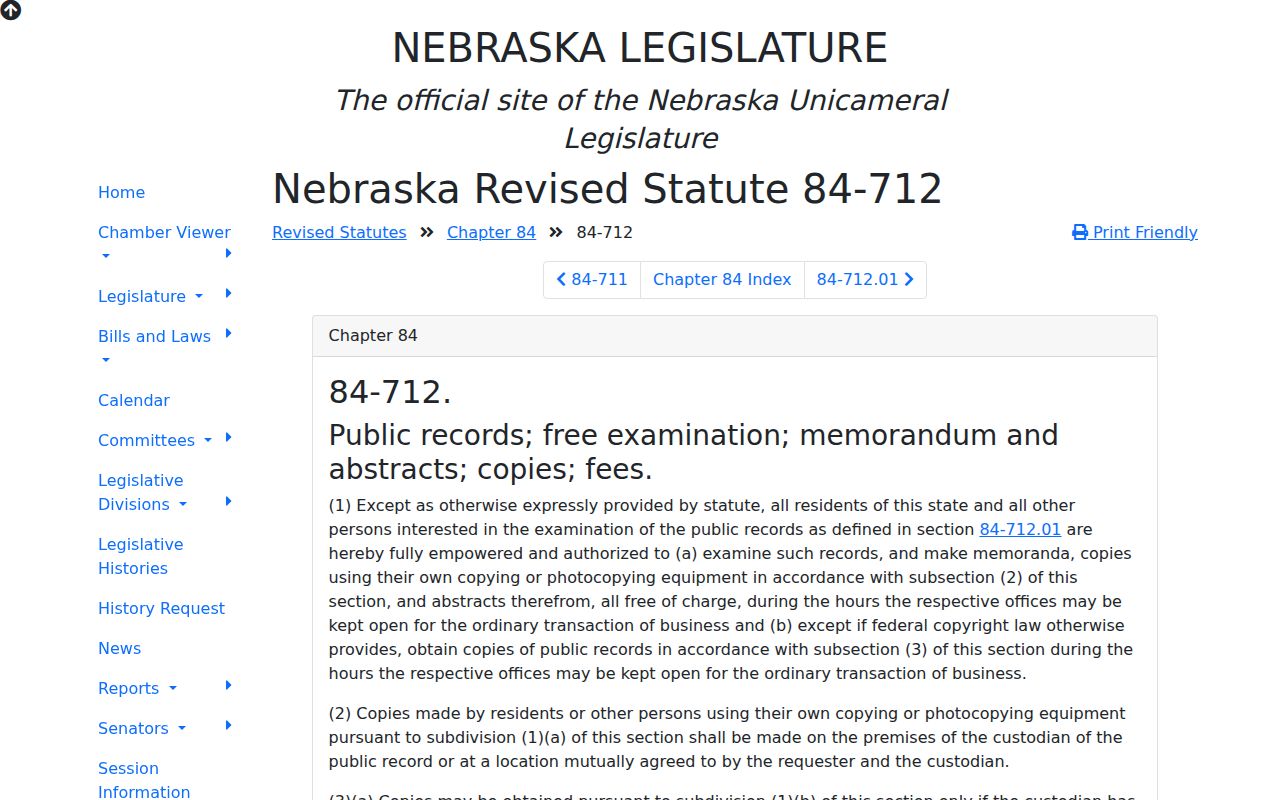
Inspection, redaction, or a written response may be the result of a focused request.
Call the Clerk for Status and Sheriff for Logistics
The division of labor is simple. The Richardson County clerk answers which court issued the process, what the docket says, and what court action is required. The sheriff handles service, agency, custody, and location questions when it can. Only the issuing court can recall a warrant, so the sheriff cannot clear one on its own.
- Call District Court for felony, district, or family cases.
- Call County Court for traffic, misdemeanor, ordinance, or preliminary-felony matters.
- Ask the clerk whether counsel, a motion, a hearing, bond, or controlled appearance is required.
- Call 402-245-2479 for service routing and 402-245-3599 for custody routing.
- Keep the recall order, docket entry, receipt, or clerk instruction.
Bond Is Case-Specific in Richardson County
Richardson County publishes no general bond schedule for warrants, and the sheriff and jail pages offer phone numbers rather than payment rules. Each case stands on its own. A custody screen may lump several charges into one figure, so treat that number as a question, not an answer. Ask the Richardson County clerk whether a judge actually set bond and whether a hearing must come first. Ask what the figure covers, since it may mix bond with a fine, court cost, or restitution. Get the logistics settled too. Before you appear, find out where to go, whether a lawyer can arrange a controlled surrender, and what to do if court is closed. Confirm what paperwork proves release or a recall of the warrant. Do not assume the jail's kiosk takes bond payments or that an online portal can recall an arrest warrant.
If There's an Arrest Warrant for You
Work through the court and a lawyer before you pick a surrender plan. That call matters. Identify the case number, ask the Richardson County clerk whether the warrant is still active, and ask counsel about a motion, a hearing, a controlled appearance, bond, and what the likely consequences are. If the court sends you to the sheriff or jail, confirm the right place and its hours first. Richardson County publishes no walk-in surrender policy.
Important: An arrest warrant can lead to custody during service or another law-enforcement contact. Confirm the court's instructions before appearing.
For the court side, follow the Richardson County home route from clerk to counsel, then court, then sheriff. Only the issuing court can recall the warrant.
Search Warrants Are Different Records
A search warrant authorizes a search, not an arrest of a person. That distinction matters here. Affidavits and operational details behind a search warrant may stay sealed or withheld while an investigation runs. Local reporting on the Richardson County sheriff's 2024 annual report counted 25 residential search warrants: 14 in Falls City, five in Humboldt, and four in Dawson. Those are search-warrant totals only. They are not counts of arrest warrants, bench warrants, or active cases. The annual-report coverage is context, nothing more, and the court file plus the issuing agency answer the personal arrest-warrant question.
Federal Arrest Warrants Follow a Different Route
A federal warrant will not surface in a Richardson County warrant search. Different system entirely. Federal matters run through the District of Nebraska, PACER, the federal clerk, or the U.S. Marshals District of Nebraska. PACER and the U.S. Marshals district page are the documented federal routes. The official PACER service and the U.S. Marshals Service are separate from Nebraska JUSTICE. PACER and McVCIS give limited public federal case context, though sealed matters may not appear. A county jail cannot resolve federal process.
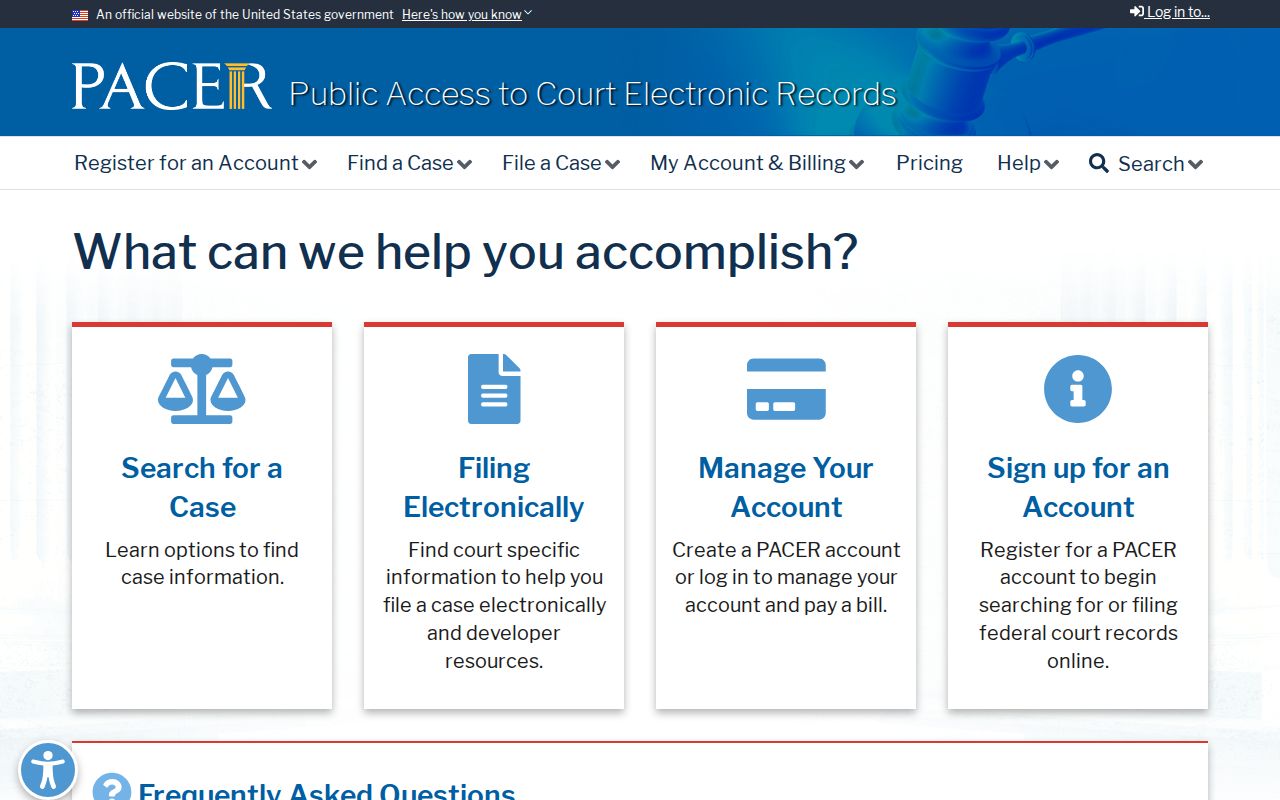
Federal case questions belong with the federal clerk, PACER, or federal law enforcement. Richardson County offices will not have that file. See the federal court contact page.
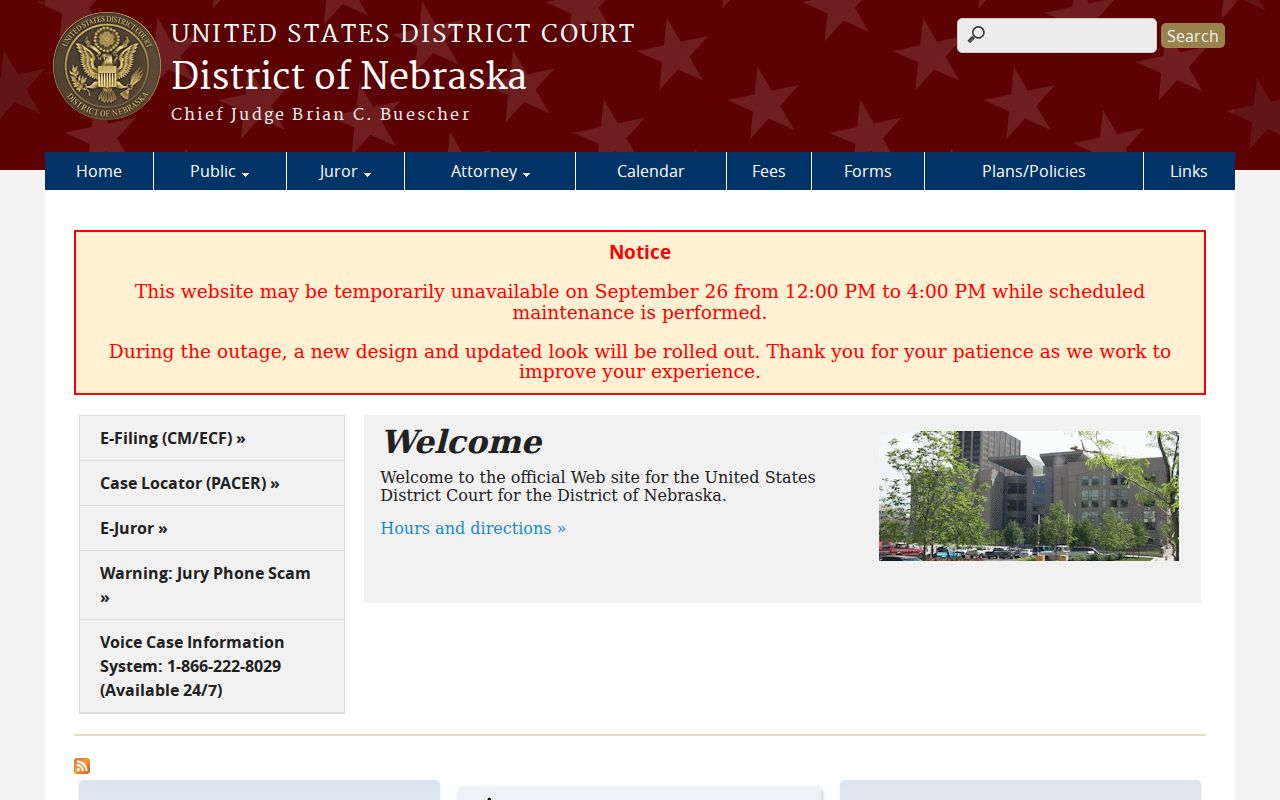
The federal courthouse contact line is not a Richardson County warrant office.